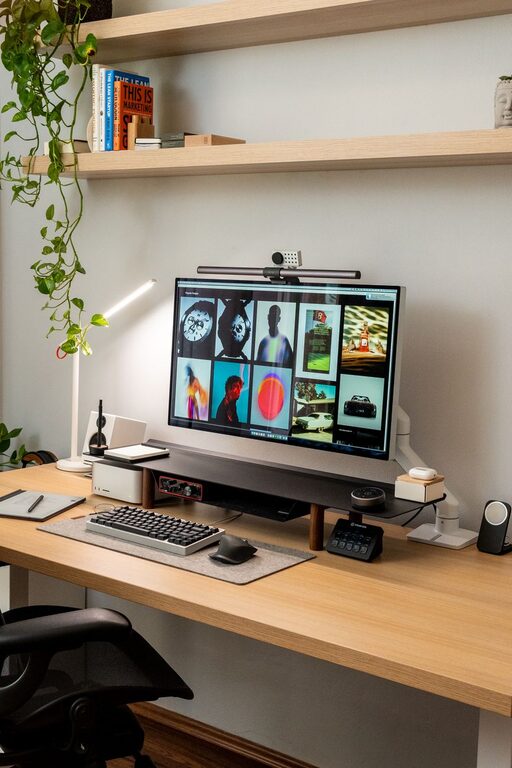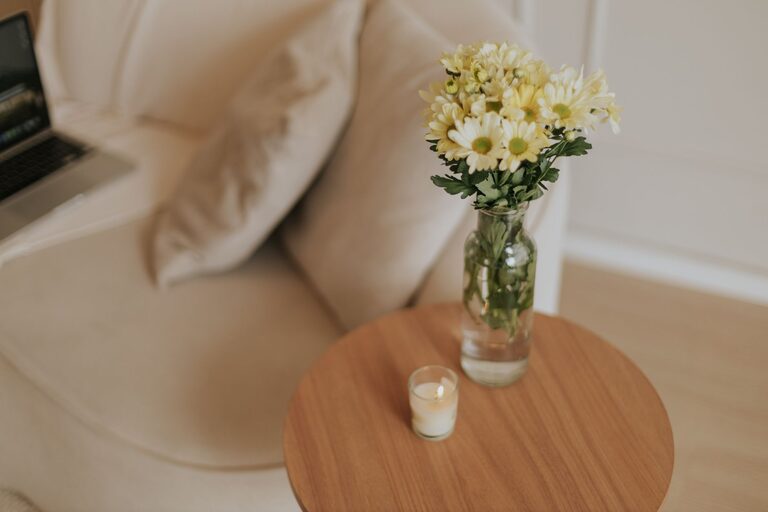
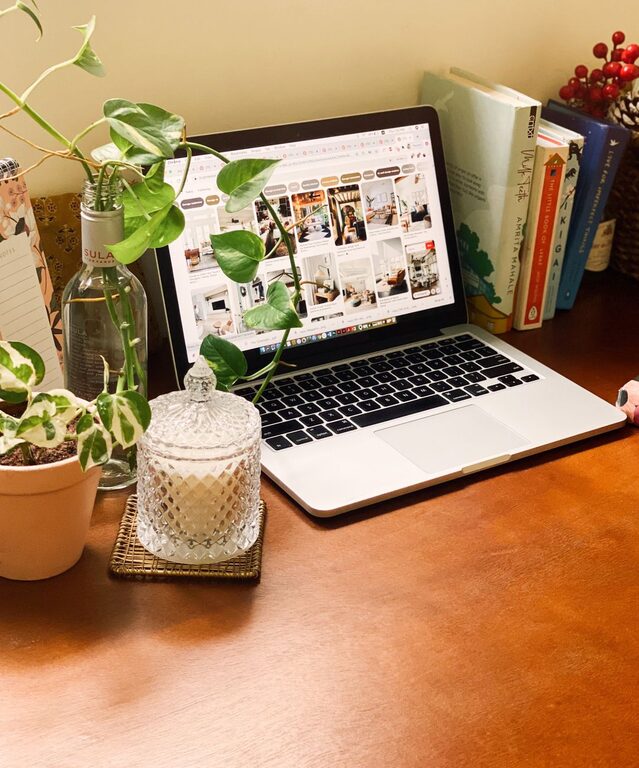
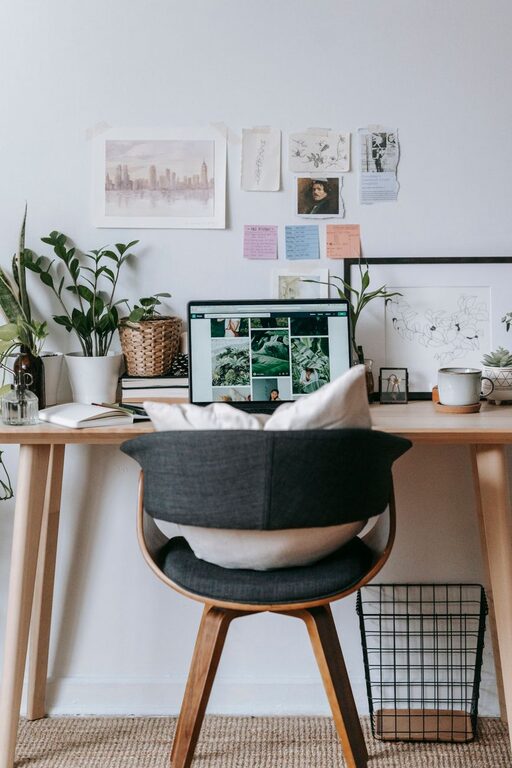

Creating a relaxing home workspace is essential for maintaining focus, reducing stress, and boosting productivity—especially as many people continue to work remotely or hybrid. A well-designed environment can help you stay motivated and comfortable during your work hours. In this post, we’ll share practical tips on how to transform your workspace into a calming and productive area.
Why a Relaxing Workspace Matters
When your work environment feels inviting and peaceful, it can significantly improve your ability to concentrate and stay motivated. Stress and clutter can distract your mind, leading to decreased productivity and burnout. By creating a relaxing workspace, you not only improve your work output but also support your overall wellbeing.
Choose the Right Location
Consider Natural Light
Whenever possible, set up your workspace near a window to take advantage of natural light. Sunlight helps regulate your body’s internal clock, elevating mood and energy levels. Position your desk to avoid glare on your screen but still benefit from daylight.
Minimize Noise Distractions
If your home is noisy or busy, try to find a quiet corner or room where interruptions are minimal. Noise-canceling headphones or soft background music can also help create a focused atmosphere.
Invest in Comfortable and Ergonomic Furniture
Choose an Ergonomic Chair
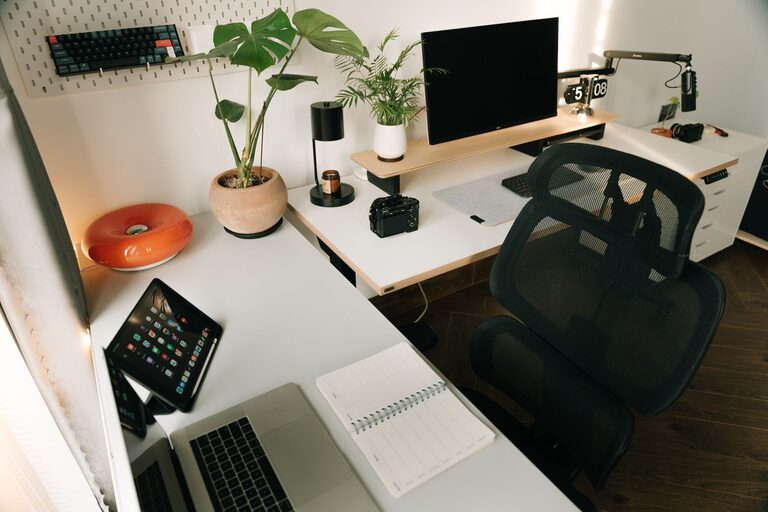
Your chair should support your lower back and allow your feet to rest flat on the floor. Proper seating prevents discomfort and musculoskeletal issues, keeping you comfortable throughout the day.
Select the Right Desk Height
Adjust your desk height so that your forearms are parallel to the floor when typing. This helps reduce strain on your wrists and shoulders.
Keep Your Space Organized and Clutter-Free
Use Storage Solutions
Keep pens, papers, and other work supplies within reach but neatly stored in drawers, containers, or organizers. A clutter-free desk reduces distractions and makes it easier to find what you need.
Regularly Declutter Your Workspace
Make it a habit to clear unnecessary items from your desk at the end of each day. A clean space promotes a clear mind and a productive start each morning.
Incorporate Calming Colors and Decor
Choose Soothing Colors
Soft, neutral colors such as pale blues, greens, or grays can create a relaxing backdrop in your workspace. Avoid overly bright or dark colors that might cause eye strain or agitation.
Add Personal Touches
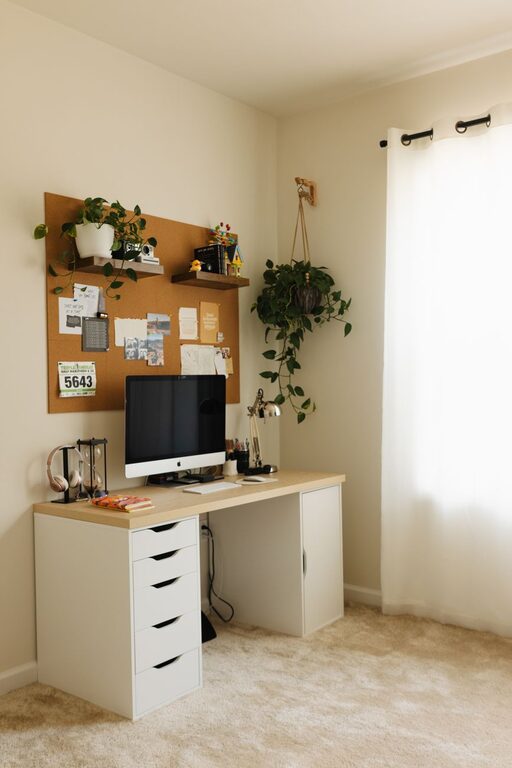
Include a few personal items such as family photos, a favorite artwork, or a small plant. These touches can boost your mood without overwhelming the space.
Bring Nature Indoors
Add Plants
Plants improve air quality and bring a sense of calm to your environment. Choose easy-care varieties like succulents, pothos, or peace lilies that require minimal maintenance.
Use Natural Elements
Incorporate natural materials like wood, stone, or woven baskets for storage to create a warm and inviting atmosphere.
Manage Lighting for Comfort and Productivity
Use Layered Lighting
Combine overhead lights with task lighting such as desk lamps. This setup lets you adjust brightness levels to suit different times of day and tasks.
Avoid Harsh Lighting
Avoid fluorescent lights or overly bright bulbs that can cause eye strain or headaches. Opt for warm-toned, adjustable lighting options for a cozy feel.
Set Boundaries and Create a Routine
Define Work Hours
Even when working from home, setting clear start and end times helps you maintain a work-life balance and reduces stress.
Take Regular Breaks
Use short breaks to stretch, walk, or meditate. A relaxed mind is more productive and creative.
Use Technology Mindfully
Organize Digital Tools
Keep your computer desktop and files organized to avoid digital clutter. Use productivity apps to track tasks without becoming overwhelmed.
Limit Notifications
Turn off non-essential notifications during work hours to maintain focus.
Add Relaxation Techniques to Your Space
Keep Stress-Relief Items Nearby
Items like stress balls, essential oil diffusers, or calming teas can help you relax during busy periods.
Practice Mindfulness
Incorporate a small space or corner for meditation or breathing exercises to recharge your focus.
—
By thoughtfully designing your home workspace to be relaxing and functional, you can create an environment that supports both comfort and productivity. Small changes like better lighting, organized storage, and calming colors make a big difference in how you feel and perform throughout the workday. Take time to personalize your space and develop routines that enhance your well-being and work success.