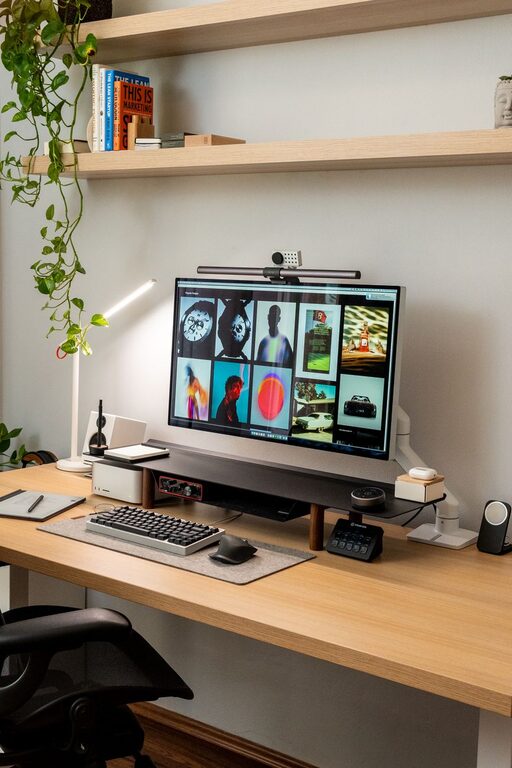
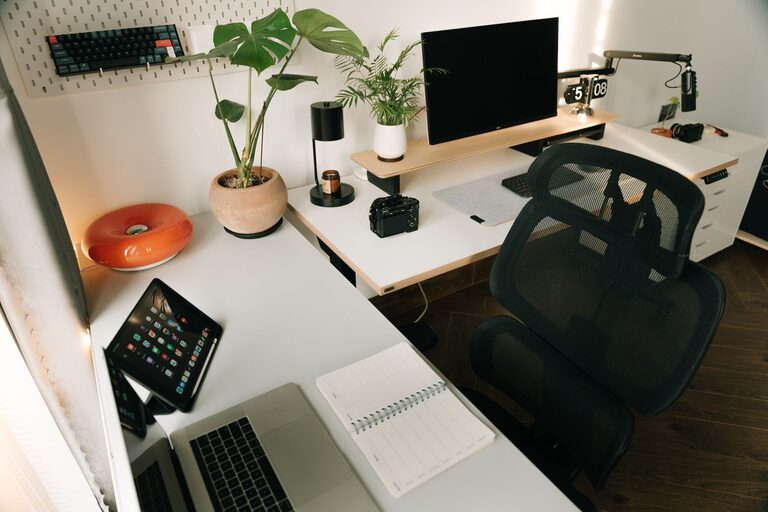
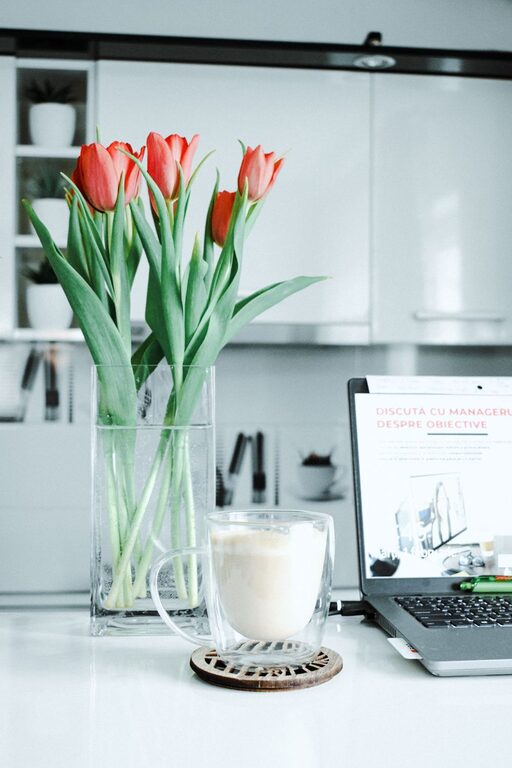
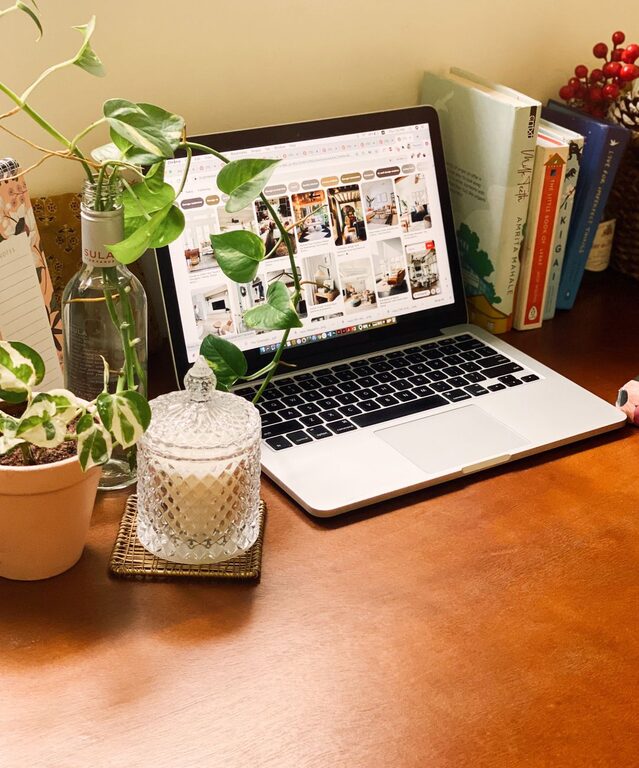
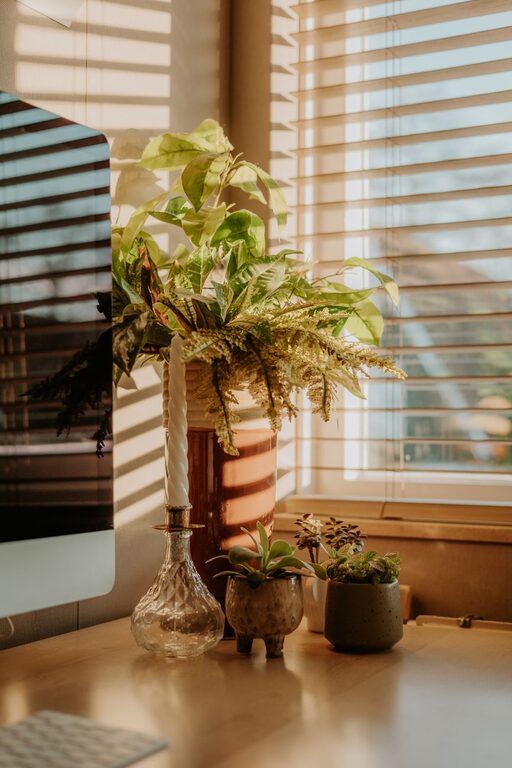
Creating a home office that feels both cozy and functional can significantly improve your workday experience. Whether you’re working remotely full-time, freelancing, or just need a quiet spot for occasional tasks, the right environment makes all the difference. Let’s explore some helpful tips to design a space that meets your needs and feels inviting.
1. Choose the Right Location
Consider Natural Light
A space with natural light can boost mood and energy. Try to position your desk near a window, but avoid glare on your computer screen. If natural light is limited, invest in quality lighting solutions that mimic daylight.
Minimize Distractions
Pick a quiet corner of your home, away from high-traffic areas like the kitchen or living room. This reduces interruptions and helps focus during work hours.
2. Invest in Comfortable and Supportive Furniture
Ergonomic Chair
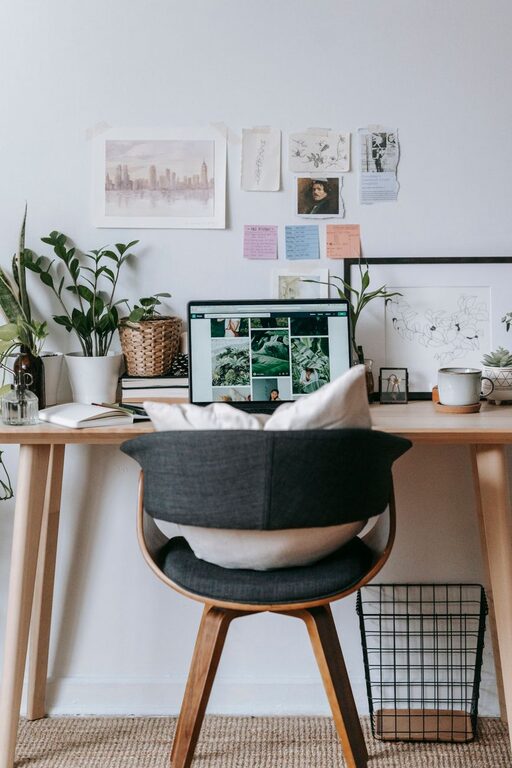
Your chair is the cornerstone of comfort. Choose one that provides good lumbar support and adjustable height to keep your posture healthy.
Functional Desk
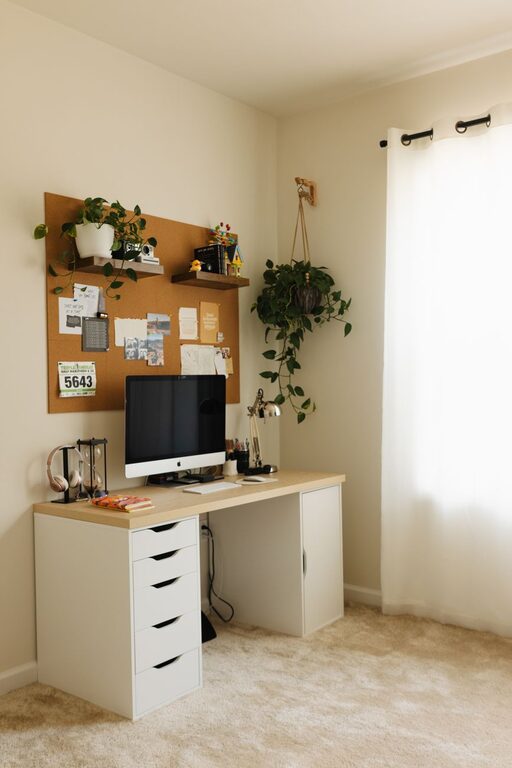
Select a desk that fits your space and work style. It should be large enough for your computer, notebooks, and other essentials but not so bulky that it overwhelms the room.
3. Organize Efficiently to Enhance Productivity
Use Storage Solutions
Shelves, filing cabinets, or storage boxes help keep clutter at bay. Organizing papers and supplies makes your workspace more inviting and makes it easier to find what you need.
Keep Essentials Within Reach
Arrange your most-used items on your desk or nearby to minimize distractions caused by frequent searching.
4. Add Personal Touches for Comfort
Choose Soothing Colors
Select colors that make you feel calm and focused. Soft blues, greens, or neutral tones often work well to create a relaxing atmosphere.
Incorporate Plants
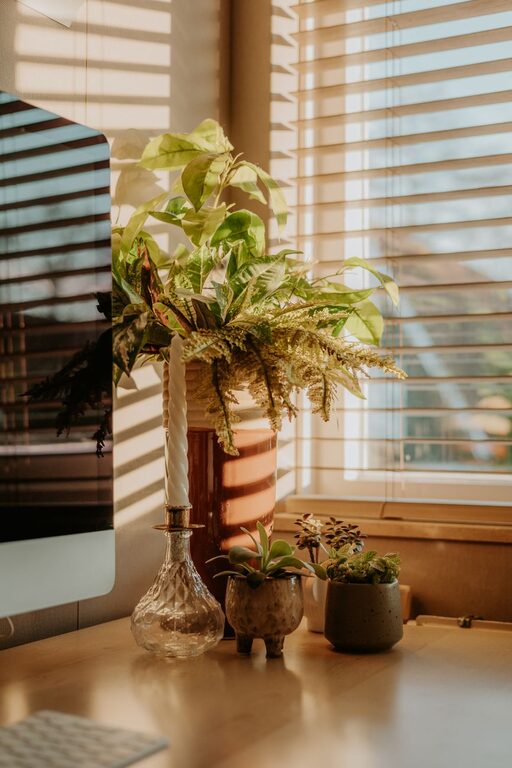
Adding greenery improves air quality and adds a touch of nature, which can reduce stress and boost creativity.
Use Textiles
A cozy rug or cushions can make the space feel warmer and more inviting, softening the look of office furniture.
5. Optimize Lighting for All-Day Comfort
Layer Your Lighting
Combine overhead lighting with task lighting such as a desk lamp. Adjustable lamps allow you to focus light where you need it, reducing eye strain.
Control Screen Glare
Position your screen to avoid reflections, and consider anti-glare screen protectors if needed.
6. Maintain Good Air Quality and Temperature
Ventilation Matters
If possible, keep a window open or use an air purifier to maintain fresh air.
Temperature Control
Make sure your office space stays at a comfortable temperature year-round with fans, heaters, or good insulation.
7. Manage Cables and Electronics Neatly
Use Cable Organizers
Cable clips, sleeves, and boxes keep cords tidied and prevent tangling, improving the look and safety of your office.
Plan Your Outlets
Position your desk near power outlets to avoid extension cords across the floor, reducing tripping hazards.
8. Establish Boundaries Between Work and Home Life
Dedicated Workspace
Even in a small home, having a defined work zone helps mentally separate work time from relaxation.
End-of-Day Routine
Organize your desk and turn off devices when done, signaling the end of your workday.
—
Final Thoughts
Creating a cozy and functional home office is about balancing comfort with productivity. Thoughtful choices like ergonomic furniture, good lighting, and a clutter-free environment can make your workspace a place where you enjoy spending time. Personalizing your office with colors and plants adds warmth, while good organization sets you up for success. With these tips, you can design a home office that supports both your wellbeing and your work goals.