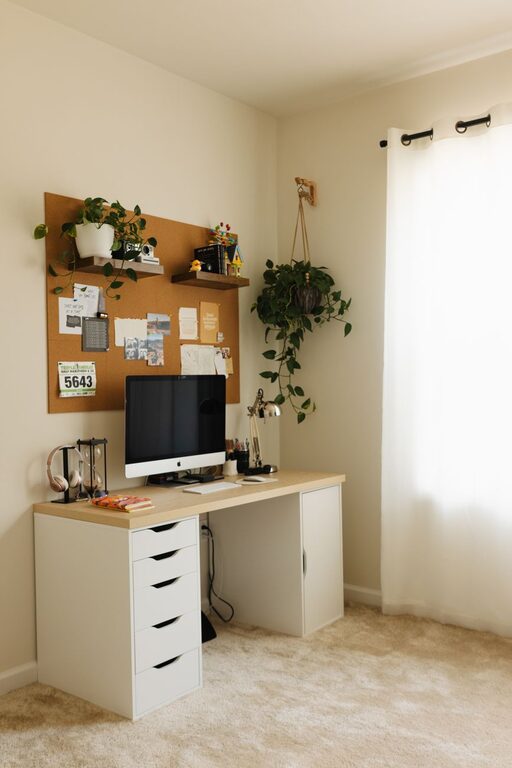
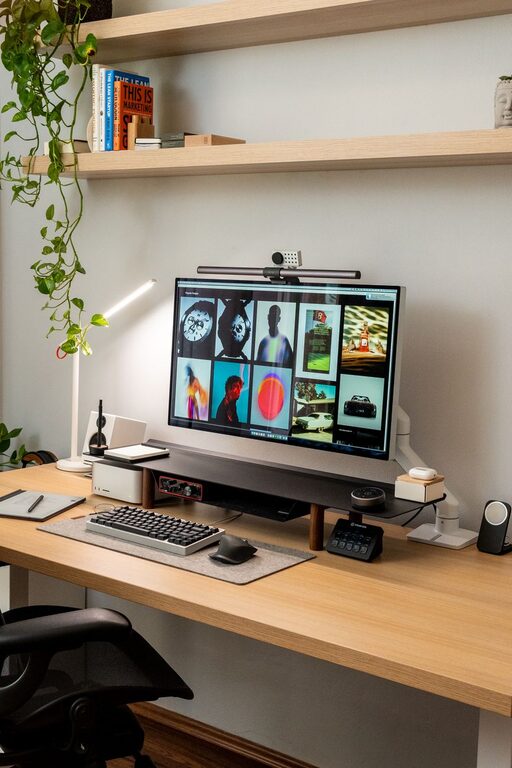
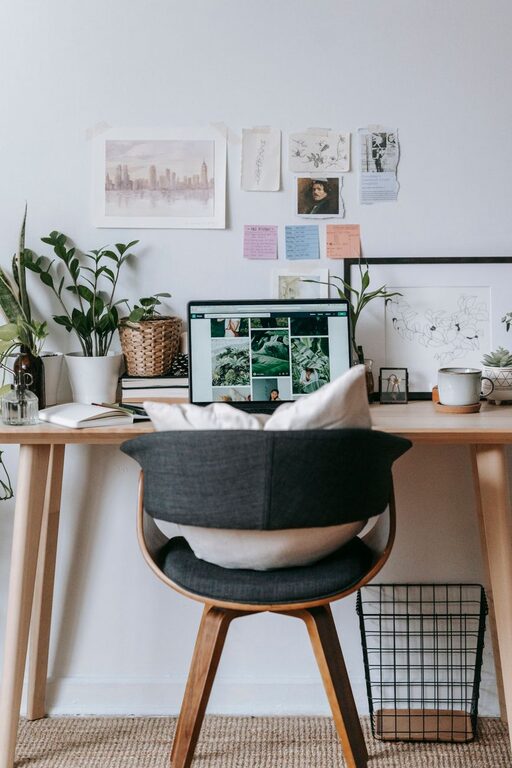

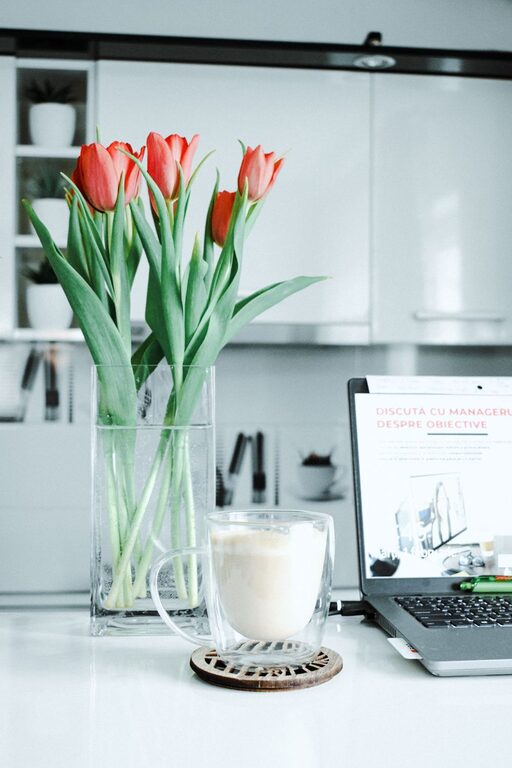
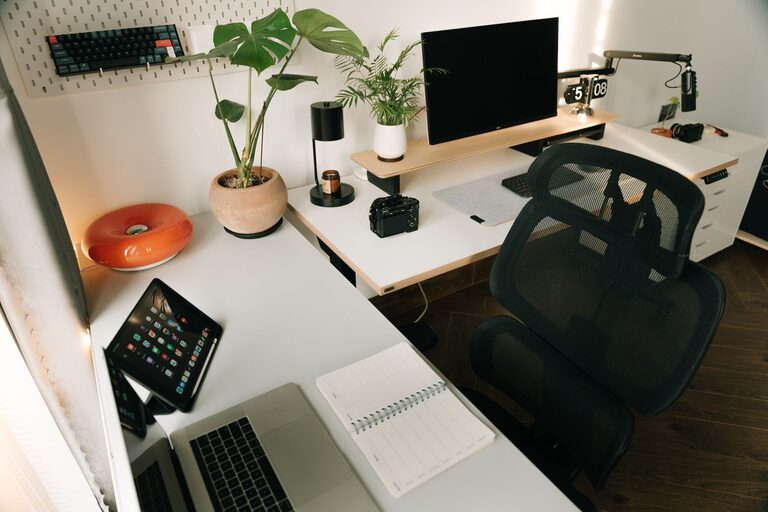

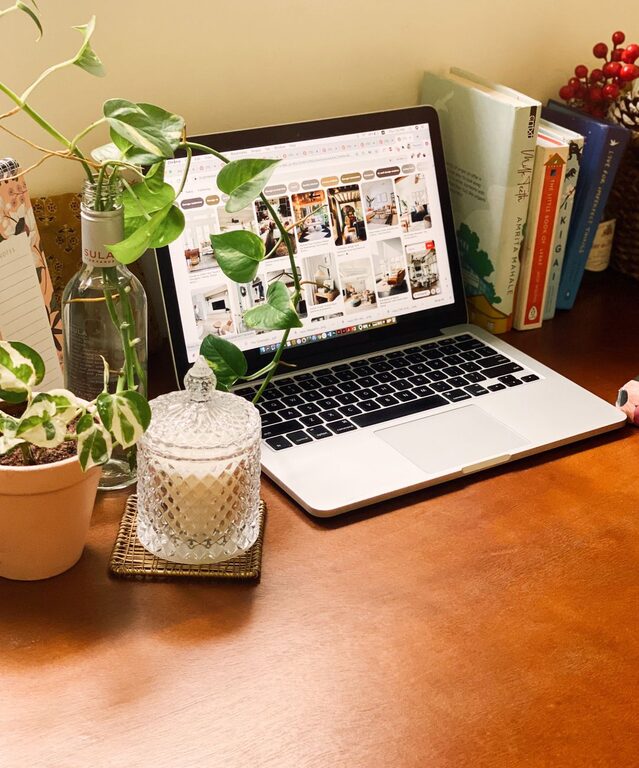
Creating a productive home office environment is essential for anyone working remotely or juggling tasks at home. A well-designed workspace can improve focus, enhance comfort, and increase overall efficiency. Whether you have a dedicated room or a small corner in your living space, these tips will help you set up an environment that supports your work goals.
1. Choose the Right Location
Selecting the ideal spot for your home office is the first step toward productivity.
– Quiet and Low-Traffic: Find a space away from household noise and distractions.
– Natural Light: Whenever possible, choose a place with ample natural light to reduce eye strain and boost mood.
– Ventilation: Good airflow contributes to comfort and alertness.
If you don’t have a separate room, consider using room dividers or screens to create a sense of separation.
2. Invest in Comfortable and Functional Furniture
Your furniture plays a crucial role in both comfort and productivity.
– Ergonomic Chair: Invest in a chair that supports your back and encourages good posture.
– Appropriate Desk: Your desk should be the right height to avoid strain. Adjustable desks that allow you to switch between sitting and standing are an excellent option.
– Storage Solutions: Incorporate shelves, filing cabinets, or organizers to keep your desk clutter-free.
Comfortable furniture reduces fatigue and helps you stay focused for longer periods.
3. Optimize Lighting
Lighting impacts how well you can focus and feel during your workday.
– Use Task Lighting: Desk lamps can provide focused light for reading or detailed tasks.
– Adjust Screen Brightness: Match your computer screen brightness to your workspace lighting to reduce eye strain.
– Avoid Glare: Position your desk to prevent glare on your screen from windows or overhead lights.
Balanced lighting supports visual comfort and productivity.
4. Declutter and Organize Your Space
A tidy workspace fosters clear thinking and efficiency.
– Declutter Regularly: Remove unnecessary items from your desk to minimize distractions.
– Organize Supplies: Use containers, trays, or drawer dividers to keep office supplies handy but out of sight.
– Cable Management: Use clips or ties to organize cords and prevent tangling.
An organized area saves time searching for items and helps maintain focus.
5. Personalize Your Workspace
Adding personal touches can make your home office inviting and inspiring.
– Plants: Indoor plants improve air quality and add a calming effect.
– Artwork or Photos: Choose images that motivate or relax you.
– Color Scheme: Use colors that boost your mood and productivity, such as blues and greens.
Personalization creates a space that reflects your personality and encourages creativity.
6. Manage Noise Levels
Controlling sound can be vital for concentration.
– Noise-Canceling Headphones: Useful for blocking out distractions.
– Soft Furnishings: Rugs, curtains, and cushions absorb sound.
– White Noise Machines or Apps: These can help mask background noise.
A quieter environment helps you focus and reduces stress.
7. Establish a Work Routine
Your environment supports good habits, but a routine keeps you on track.
– Set Working Hours: Define start and finish times to create work-life boundaries.
– Take Breaks: Use timers or apps to remind you to stretch and rest your eyes.
– Designate Zones: If space allows, separate work areas from relaxation spaces.
A routine helps maintain productivity and balance throughout the day.
8. Ensure Reliable Technology
Technology is central to a productive home office.
– Stable Internet: High-speed and consistent internet is crucial.
– Backup Power: Consider a UPS (uninterruptible power supply) to avoid disruptions.
– Up-to-Date Devices: Keep your computer, software, and peripherals current to prevent technical issues.
Reliable technology reduces downtime and frustration.
9. Prioritize Health and Wellness
A productive workspace also supports your physical and mental health.
– Ergonomic Accessories: Use wrist rests, footrests, or monitor stands as needed.
– Hydration and Snacks: Keep water and healthy snacks nearby.
– Exercise Options: Include space or reminders for light stretches or short workouts.
Taking care of your wellbeing contributes to sustained productivity.
—
Creating a productive home office environment may require some initial effort, but the benefits are long-lasting. By focusing on location, comfort, organization, and your personal needs, you can build a workspace that not only helps you achieve your goals but also makes working from home a positive experience.