




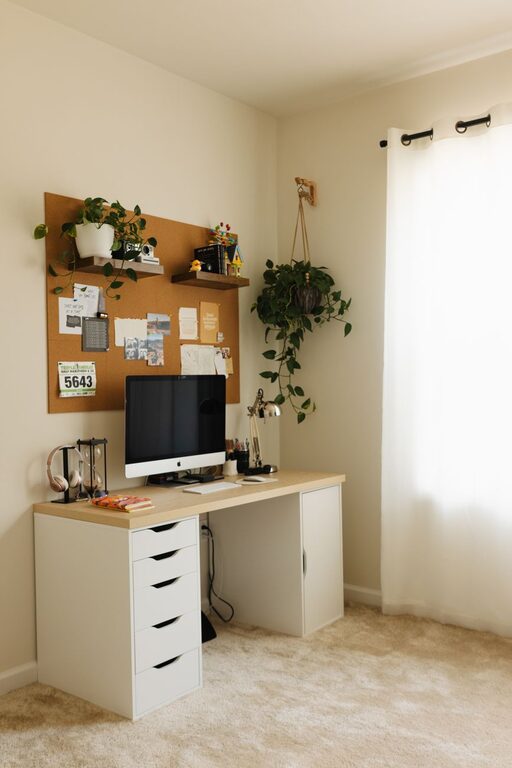

Creating a cozy and sustainable home environment is a wonderful way to enjoy comfort while caring for the planet. By combining thoughtful design choices with eco-conscious habits, you can build a living space that feels warm, inviting, and responsible. Whether you’re starting from scratch or simply looking to improve your current space, these tips will help you achieve a home that supports both your well-being and the environment.
Understand the Basics of Sustainability at Home
Before diving into specific tips, it’s helpful to know what sustainability in the home means. Essentially, it involves adopting practices and using materials that reduce environmental impact, conserve resources, and promote health. Sustainability encompasses energy efficiency, waste reduction, water conservation, and choosing non-toxic, natural materials.
Choose Natural and Recycled Materials
One of the best ways to create a cozy and sustainable space is by selecting materials that are eco-friendly and have a low impact on the environment.
– Wood: Opt for responsibly sourced or reclaimed wood for furniture and flooring. This adds warmth and character to your home.
– Natural fibers: Use textiles like cotton, linen, wool, or hemp for curtains, rugs, and upholstery. These materials breathe well and are biodegradable.
– Recycled products: Look for furniture or décor made from recycled metals, glass, or plastics.
By choosing natural and recycled materials, you contribute to reducing waste and minimizing harmful chemical use.
Prioritize Energy Efficiency
Energy efficiency is key for sustainability and can also help reduce your utility bills.
– Upgrade lighting: Switch to LED bulbs which use less energy and last longer.
– Smart thermostats: These devices help manage heating and cooling efficiently while keeping your home comfortable.
– Seal drafts: Use weather stripping or caulk to prevent heat loss around windows and doors.
– Energy-efficient appliances: When it’s time to replace home devices, look for the ENERGY STAR label to ensure better energy performance.
Incorporate Plants for Improved Air Quality and Ambiance
Indoor plants not only add a refreshing touch of nature to your living space but also contribute to improving indoor air quality.
– Choose low-maintenance plants like snake plants, pothos, or spider plants that filter common toxins.
– Position plants near windows to make use of natural light.
– Group plants together to create cozy green corners that enhance relaxation.
Embrace Natural Light and Soft, Cozy Textures
Maximizing natural light boosts mood and reduces the need for artificial lighting during the day.
– Use light, sheer curtains to let sunlight in while maintaining privacy.
– Arrange furniture to take advantage of sunny spots.
Soft textures create a welcoming and warm atmosphere.
– Add plush throw blankets and cushions in natural fabrics.
– Layer rugs to add warmth underfoot.
– Incorporate cozy seating options like padded chairs or poufs.
Reduce Waste and Practice Mindful Consumption
A sustainable home encourages mindful living.
– Avoid single-use products and disposable items.
– Choose multi-functional furniture or décor pieces to minimize clutter.
– Donate or repurpose items instead of throwing them away.
– Shop locally and support artisans who use sustainable practices.
Improve Water Conservation
Saving water is simple and effective.
– Fix leaks promptly to avoid wasting water.
– Install low-flow faucets, showerheads, and toilets.
– Collect rainwater for watering plants.
– Use water-efficient dishwashers and washing machines.
Use Non-Toxic Cleaners and Natural Scents
Traditional cleaning products often contain harsh chemicals that can affect indoor air quality.
– Make your own cleaners using vinegar, baking soda, and lemon juice.
– Choose products labeled as non-toxic or biodegradable.
– Use essential oils like lavender, eucalyptus, or citrus for a pleasant, natural fragrance.
Create Dedicated Relaxation Spaces
A cozy home includes areas designed for rest and relaxation.
– Set up a reading nook with comfortable chairs and good lighting.
– Design a meditation or yoga corner with cushions and calming décor.
– Keep these spaces clutter-free and filled with items that bring you joy and peace.
Final Thoughts
By blending sustainability with coziness, you create a home that nurtures both you and the environment. Small changes can make a big difference over time — from choosing natural materials to reducing energy use and waste. With these tips, your home can become a haven that reflects your values and supports a healthier planet. Enjoy the process of making your living space both inviting and eco-friendly!