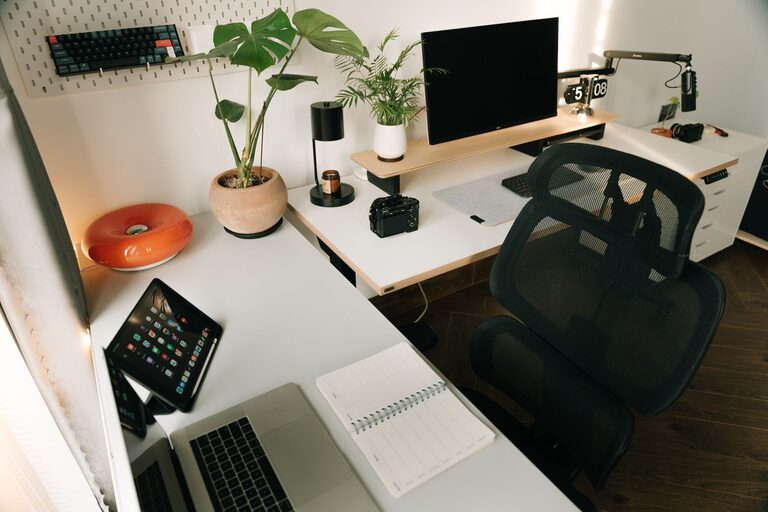
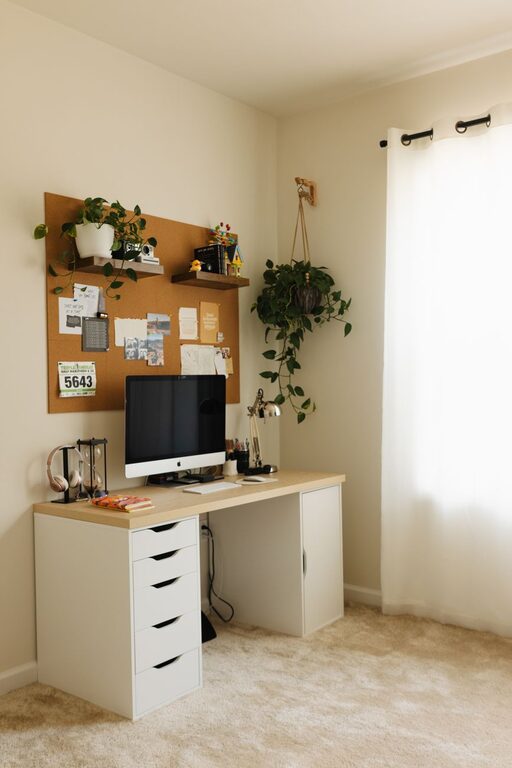
Creating a relaxing home workspace is essential for maintaining productivity and comfort while working remotely or managing tasks at home. Whether you work full-time from home, freelance, or simply need a dedicated space for organization, designing a space that feels calm and inviting can help reduce stress and improve focus. In this post, we’ll explore practical tips for transforming your home workspace into a relaxing environment that supports your best work.
Why a Relaxing Workspace Matters
A workspace that promotes relaxation doesn’t mean it looks dull or lacks energy. Instead, it means your environment helps you feel at ease while staying productive. A well-designed workspace can:
– Decrease feelings of burnout and stress
– Improve concentration and creativity
– Increase motivation to work regularly
– Support better posture and physical comfort
With these benefits in mind, let’s dive into how to create a workspace that balances comfort and productivity.
Choose the Right Location
The location of your workspace significantly impacts your ability to focus. Aim for a spot that:
– Has minimal distractions (away from noisy areas)
– Receives plenty of natural light
– Has enough space for essential items
– Is separate from areas associated with relaxation, like your bed or couch
If a separate room isn’t available, consider using a room divider or screen to visually separate your workspace.
Optimize Lighting
Good lighting reduces eye strain and helps keep your energy levels up throughout the day.
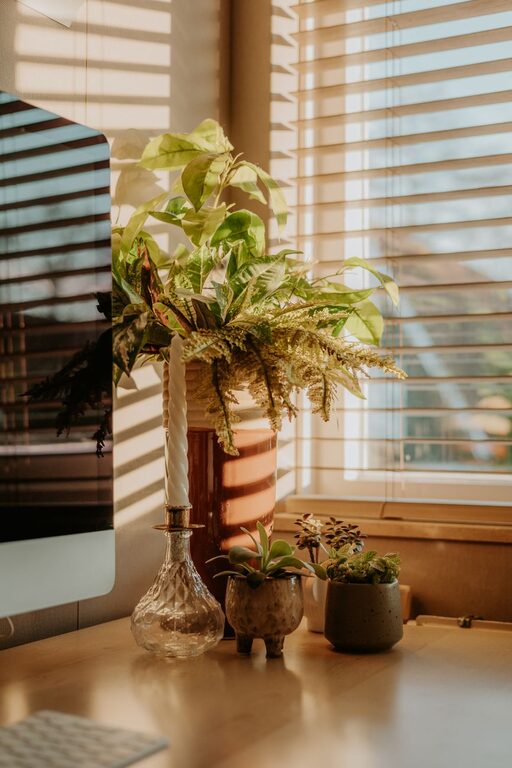
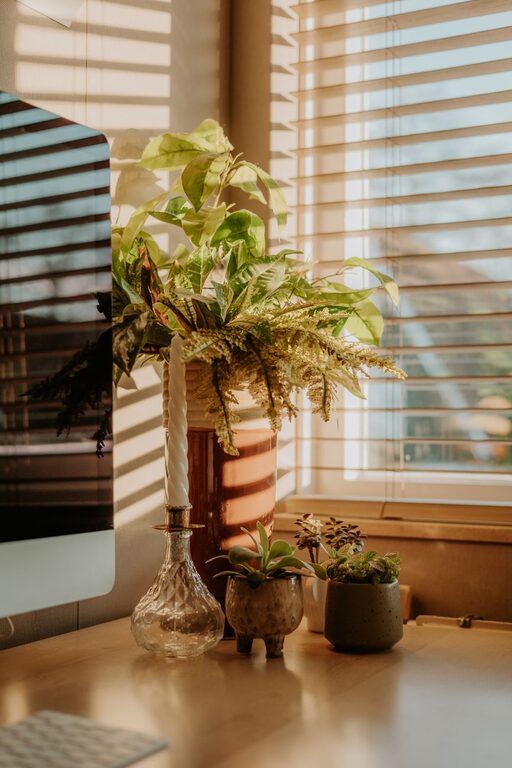
– Natural light: Position your desk near a window if possible. Sunlight can improve mood and productivity.
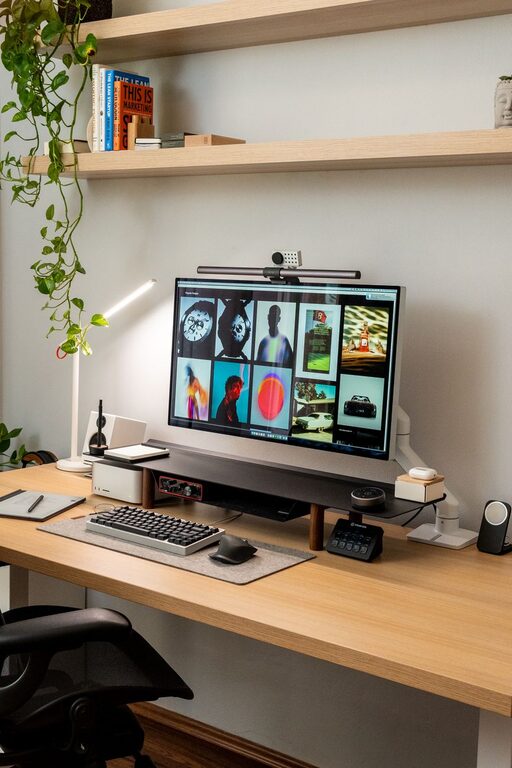
– Task lighting: Use a desk lamp with adjustable brightness for focused work when natural light fades.
– Avoid glare: Position screens and lights to avoid reflections or harsh glares.
Invest in Comfortable Furniture
Ergonomics plays a vital role in your comfort and health. Choose furniture that supports good posture:
– Chair: Use an adjustable, supportive office chair. Your feet should rest flat on the floor, and your back should be well supported.
– Desk: Find a desk height that allows your elbows to rest comfortably at about a 90-degree angle while typing.
– Accessories: Consider a keyboard tray or wrist supports to reduce strain.
Declutter and Organize
A cluttered space can distract and overwhelm you. Keep your workspace tidy by:
– Using storage bins, shelves, or drawers to organize supplies
– Keeping only frequently used items on your desk
– Regularly clearing out unnecessary papers and clutter
– Using cable management solutions to keep cords neat
Personalize Your Space Thoughtfully
Adding personal touches can make the workspace more inviting without creating distractions.
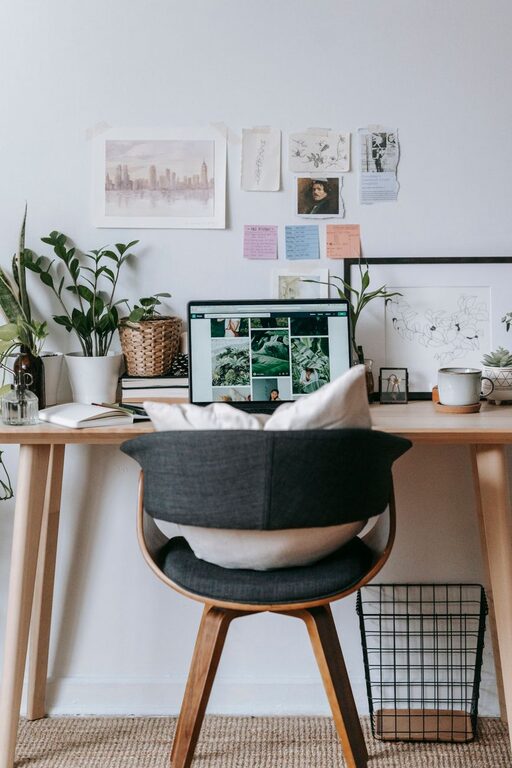
– Include indoor plants to add a touch of nature and improve air quality.
– Hang a motivational quote or artwork you enjoy.
– Use calming colors like soft blues, greens, or neutrals in your decor.
Minimize Noise Distractions
Background noise can interrupt your flow. Here are ways to reduce distractions:
– Use noise-cancelling headphones or earplugs.
– Play soft instrumental music or white noise if it helps you concentrate.
– Seal gaps in doors and windows, or add rugs and curtains to absorb sound.
Maintain a Comfortable Temperature and Air Quality
Your workspace should be comfortable year-round.
– Keep the room well-ventilated with fresh air.
– Adjust the thermostat to a comfortable temperature.
– Use a fan, heater, or humidifier as needed to regulate air quality.
Establish Clear Boundaries and Routines
A relaxing workspace supports not just physical comfort but mental well-being.
– Set specific work hours and take regular breaks.
– Keep your workspace reserved for work tasks only.
– Use timers or apps to remind you to stretch and rest your eyes.
Add Functional Technology
Technology can streamline your work and reduce frustration.
– Keep your computer and devices updated for smooth operation.
– Use a second monitor for increased productivity if space allows.
– Invest in a comfortable keyboard and mouse.
Final Thoughts
Creating a relaxing home workspace is about balancing comfort with function. By selecting the right location, lighting, furniture, and decorations, you can design a space that feels inviting and supports your productivity. Remember, small changes can make a big difference in how you feel about your workday. Make your workspace a place where focus and calm coexist for your best results.
—
With these tips, you’ll be well on your way to crafting a home workspace that helps you work efficiently and comfortably every day. Happy decorating!