
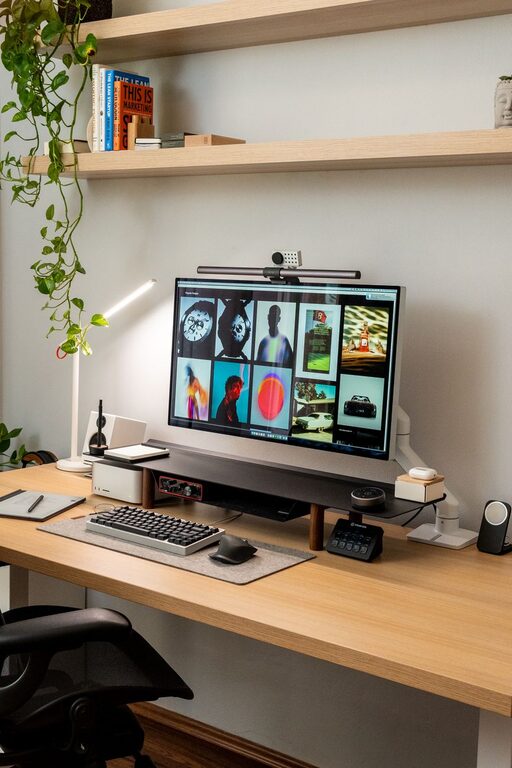

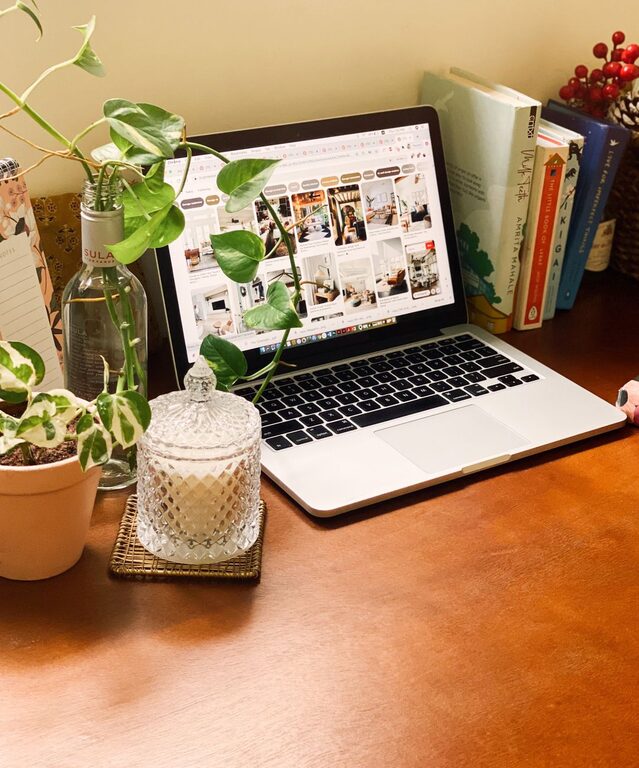
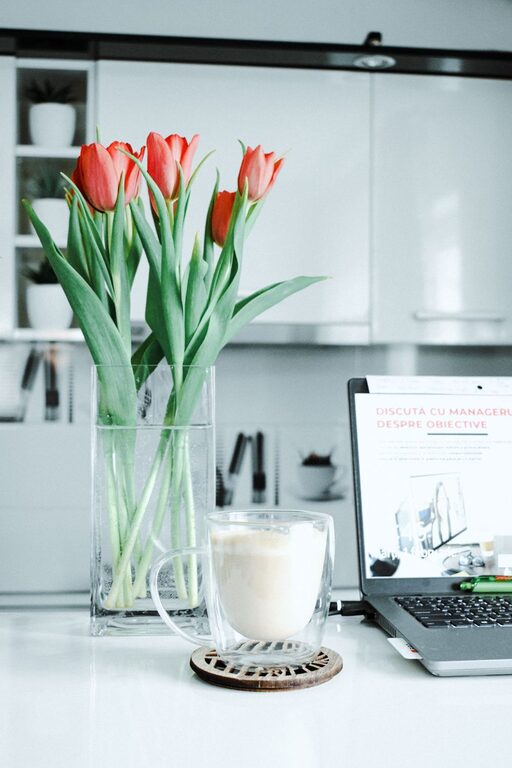
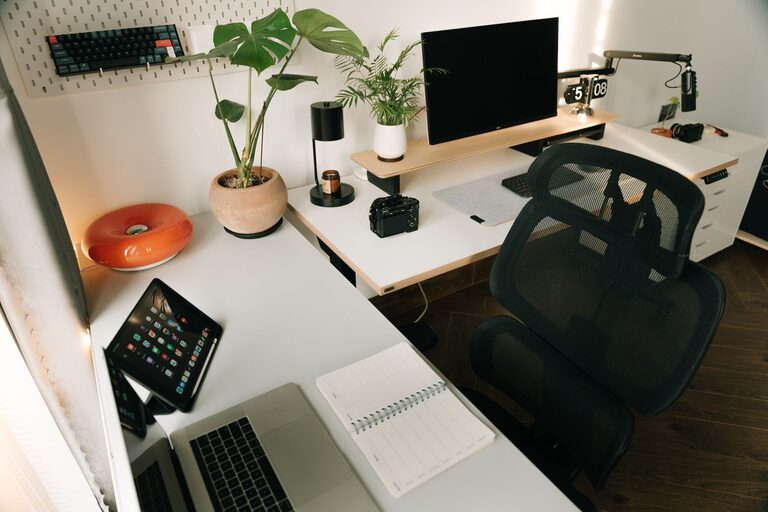

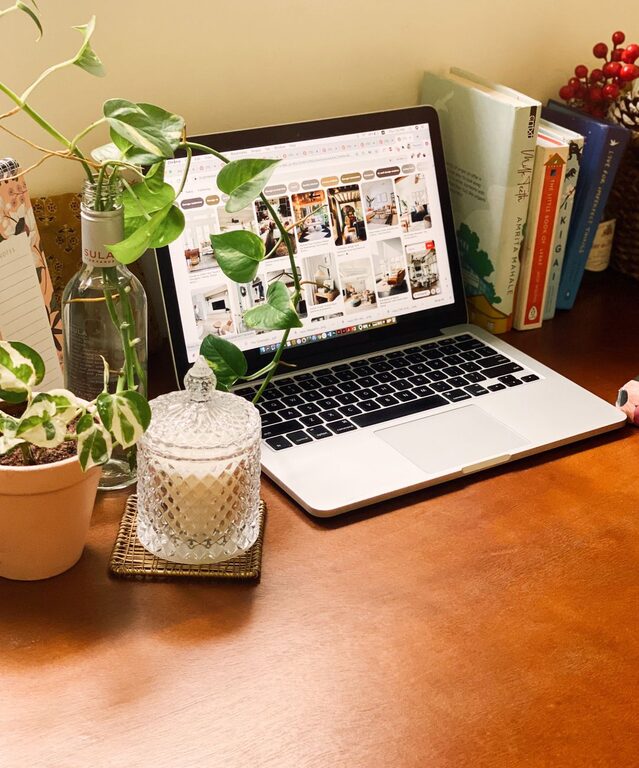
Creating a cozy and inviting home workspace is essential for anyone looking to stay motivated and comfortable while working from home. A well-designed workspace can boost your productivity, enhance your mood, and make your workday more enjoyable. Whether you have a dedicated room or just a corner of your living area, these tips will help you create an environment that feels warm, welcoming, and perfect for getting work done.
Choose the Right Location
Choosing the right spot for your workspace is the first and most important step. Aim for a place that:
– Has plenty of natural light to keep your energy up.
– Is relatively quiet to minimize distractions.
– Allows for good ventilation and fresh air.
If possible, avoid setting up your workspace in a high-traffic or noisy area of the home. You want to feel separated enough to focus but close enough to be comfortable.
Invest in Comfortable Furniture
Comfort is key when setting up your workspace. Spending long hours without proper support can lead to discomfort and poor posture.
– Desk: Choose a desk with enough surface area for your computer, notebooks, and other supplies but that still fits well in your space.
– Chair: Prioritize an ergonomic chair that supports your back and allows for adjustable height and tilt.
– Footrest: If your feet don’t rest flat on the floor, use a footrest for additional support.
Having furniture that fits your body and workspace needs will make it easier to settle in and stay productive.
Add Warm and Inviting Elements
Small touches can significantly enhance the feeling of coziness in your workspace.
– Soft Textiles: Incorporate cushions, a warm throw blanket, or a small rug underfoot.
– Plants: Add some greenery to bring life and fresh air into the room.
– Lighting: Use a combination of task lighting like desk lamps and softer ambient lighting such as fairy lights or floor lamps for a welcoming glow.
– Personal Touches: Display photos, art, or items that inspire you.
These elements make the space feel personalized and comforting rather than sterile or purely functional.
Keep Your Workspace Organized
A cluttered area can lead to a cluttered mind. To maintain a calm and cozy workspace:
– Use storage solutions like shelves, drawers, or baskets to keep things tidy.
– Keep only necessary items on your desk.
– Organize cables with clips or ties to reduce tangling.
– Schedule regular clean-up sessions to maintain order.
An organized space helps reduce stress and makes work flow more easily.
Incorporate Calming Colors and Decor
Colors can influence how you feel throughout the day.
– Choose soothing shades like soft blues, greens, or warm neutrals.
– Avoid harsh or overly bright colors that might cause distraction or strain.
– Use artwork or decor that promotes relaxation and positivity.
A harmonious color scheme creates a peaceful atmosphere conducive to concentration and creativity.
Optimize Technology Setup
Your tech setup should support your work without adding frustration.
– Position your computer monitor at eye level to reduce neck strain.
– Use a wireless keyboard and mouse for more freedom of movement.
– Ensure your internet connection is reliable and fast.
– Consider using noise-cancelling headphones if you need to block out background noise.
Smooth technology use minimizes interruptions and increases efficiency.
Create Dedicated Break Zones
Working from home means you might struggle to separate work time from breaks.
– If possible, set up a small area near your workspace for relaxation.
– Use a comfortable chair or cushion for quick breaks.
– Keep a water bottle nearby to stay hydrated.
Taking short, frequent breaks away from your desk helps refresh your mind and body.
Maintain Good Air Quality
Good ventilation supports your comfort and health.
– Open windows regularly for fresh air.
– Use an air purifier if needed, especially in rooms with little airflow.
– Add plants known to help clean the air, such as spider plants or peace lilies.
Good air quality helps you stay alert and focused.
Establish a Daily Routine
Having a regular work routine reinforces the sense of a dedicated workspace.
– Start and end your workday at consistent times.
– Use rituals like making coffee or organizing your desk before work.
– Plan your tasks to create a flow throughout the day.
Routine helps your brain associate the space with work, making it easier to switch into “work mode.”
—
Creating a home workspace that is cozy and inviting doesn’t require a big budget or a large space. By focusing on comfort, organization, lighting, and personal touches, you can craft a functional and welcoming environment that supports your work and well-being. Keep these tips in mind and enjoy the benefits of a home office that feels just right for you!